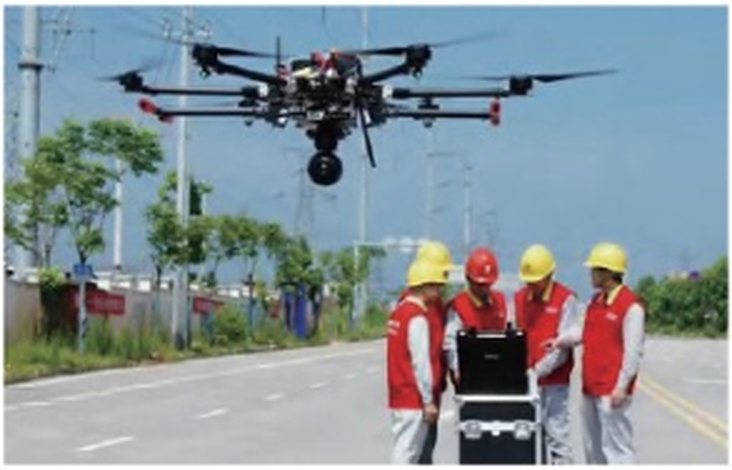
Drones in agriculture
Drones are changing how food is grown. Multispectral cameras let pilots monitor crop health, assess soil conditions and track plant growth, so farmers can irrigate, fertilise and treat only where it is needed. Early pest detection and tighter input use mean higher yields and lower cost.
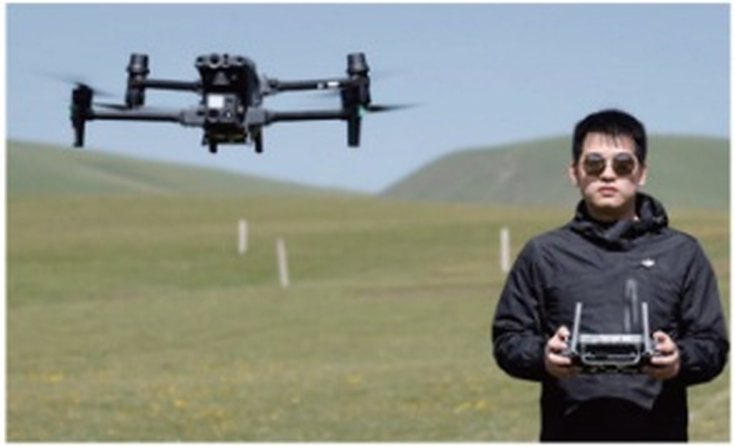
8 ways to put a licence to work
Crop health scouting
Fly multispectral surveys to spot stress, disease and nutrient gaps before they are visible from the ground.
Soil and field assessment
Map moisture, drainage and soil variation to plan irrigation and planting.
Growth tracking
Repeat flights across a season to compare plant growth and yield potential field by field.
Targeted spraying
Operate plant-protection drones that apply fertiliser or crop protection only on mapped areas.
Early pest detection
Catch infestations early and treat a small patch instead of a whole field.
Livestock and farm monitoring
Check herds, fences, water points and farm assets across large holdings.
Orchard and forestry surveys
Count and assess trees and plantations from above.
Crop insurance and records
Document damage and field condition with dated aerial evidence.
From brief to deliverable
- Plan the field boundaries, crop stage and flight altitude
- Fly a systematic survey grid with the right sensor
- Process imagery into health and prescription maps
- Apply inputs where needed, then re-fly to verify
Aircraft and payloads
- Multispectral and RGB cameras
- Plant-protection rotorcraft such as the G500
- Flight-planning and mapping software
- Ground truthing sampling
Roles you can step into
IDA in agriculture
- IDA teaches a VR virtual agricultural plant-protection course covering crop training, pre-flight inspection and real operation
- IDA publishes a dedicated textbook, Unmanned aerial vehicle plant protection technology
- The curriculum covers plant protection as a core industry field
Train for agriculture
Start with a pilot course in the right aircraft class, then add the certificates and skills this industry values. Pilot-level durations follow the IDA course schedule.
| Course | Why it fits | Length |
|---|---|---|
| Multi-rotor licence | The base licence for spraying and scouting rotorcraft. | 18 days (pilot) |
| Industry application skills | Industry application skills for agricultural operators. | Certificate |
| VR plant-protection course | Practise crop training and pre-flight checks in virtual reality. | Included in training |
| Maintenance training | Keep spray drones airworthy and calibrated. | Training kits |